
Federal Government to Reclassify Marijuana into Lower-Risk Category
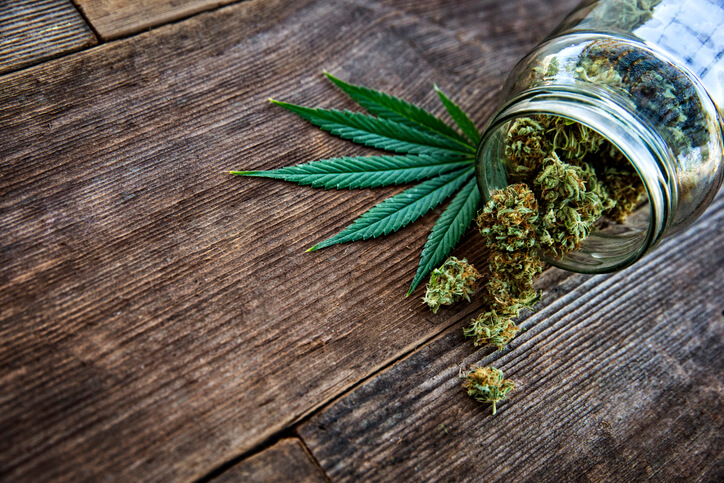
Though approximately half of the states have legalized marijuana for recreational use and even more permit cannabis consumption when prescribed by a doctor, federal law up to now still classified marijuana with drugs that pose the highest risk and have no medical function. Now, in a significant development for cannabis policy in the United States, the federal government has announced the reclassification of marijuana to a Schedule III controlled substance. This decision marks a notable shift in the regulatory landscape surrounding cannabis and has far-reaching implications for various stakeholders.
In federal law, as well as statutes used in Texas and other states, controlled substances are divided into five categories, known as schedules. The schedule assigned to a specific drug affects how harshly crimes involving that substance are punished. Schedule I represents the most serious controlled substance category, reserved mostly for drugs that can be extremely hazardous without offering any legitimate medical use. At the other end of the scale, Schedule V drugs are mostly prescription medications that contain a substance where there is some potential for abuse, such as codeine.
The reclassification of marijuana from its previous designation as a Schedule I controlled substance to Schedule III reflects evolving attitudes toward cannabis at the federal level. Now, instead of being grouped with extremely dangerous illegal drugs like heroin and methamphetamine, cannabis is categorized with anabolic steroids and other substances that could provide a medical benefit if used properly. Under Schedule III, marijuana is considered to have moderate to low potential for physical and psychological dependence, making it subject to less stringent regulatory controls than Schedule I or II substances. This reclassification opens up new opportunities for research into the medical applications of cannabis and may lead to increased access for patients seeking alternative treatments for various conditions.
However, cannabis remains illegal at the federal level and recreational use is prohibited in Texas and many other states. Possession of even a small amount of marijuana is a Class B misdemeanor here that is punishable by up to 180 days in jail and a fine as high as $2,000. As with other drug crimes, penalties for distribution of marijuana or possession of an amount that indicates an intent to sell can lead to years behind bars.
The Law Firm of Richard L. Ellison, P.C. protects the fundamental rights of individuals accused of crimes related to marijuana and other controlled substances. Please call 830-955-8168 or contact me online to schedule a consultation about your case with a Board-certified Texas criminal law attorney. My office is in Kerrville.